
🌍 THE PROBLEMS WE MUST FACE
If we don’t name the problems clearly,
we cannot redesign the systems that created them.
This is not about blame.
It is about recognition.
🌎 A WORLD OF ABUNDANCE — AND FAILURE
Humanity has more knowledge, technology and resources than at any time in history.
And yet:
• 🍽 700 million people are starving
• 🏠 300 million people are homeless
• 💰 Governments worldwide carry over $314 trillion in debt
• ⚔️ Trillions flow through systems of conflict and extraction
• 🧠 Mental health is declining across generations
This is not a lack of capability.
It is a system design issue.
🍽 HUNGER IN A WORLD THAT CAN FEED EVERYONE
Enough food is produced globally to feed every human.
Yet people starve because:
• Food is unaffordable
• Distribution prioritises profit over access
• Waste is structurally tolerated
• Care is not financially rewarded
Hunger today is not a natural disaster.
It is a structural failure.

🏠 HOMELESSNESS IN A WORLD FULL OF HOMES
Across cities and nations:
• Homes sit empty
• Land is speculated on
• Housing becomes a financial asset instead of a human foundation
People lack shelter not because space does not exist —
but because dignity is not embedded in the economic model.

⚔️ THE WAR ECONOMY
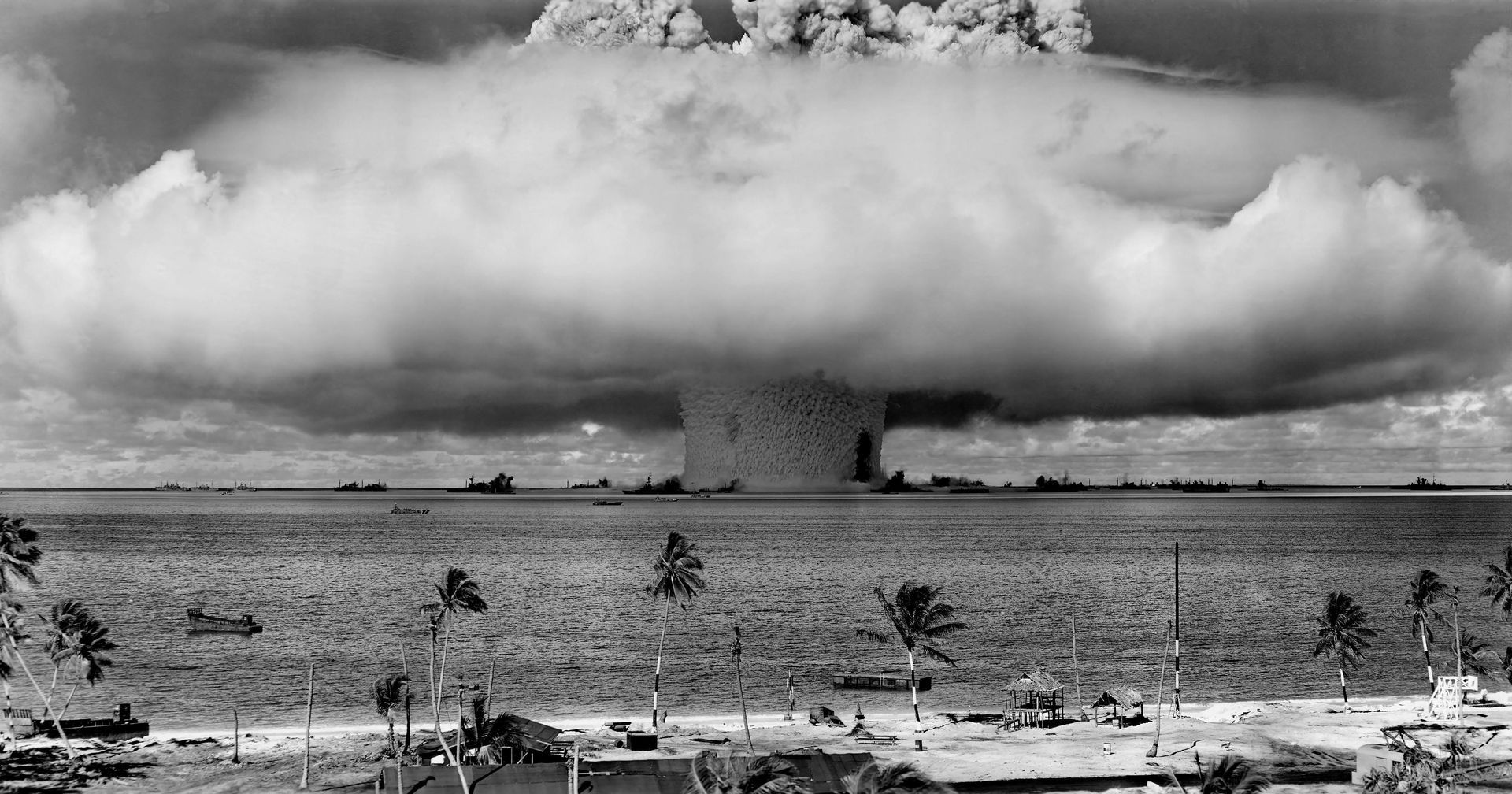
In the past 12 months alone, over $1 trillion has moved through war and conflict-related industries.
War generates profit.
Peace does not.
When destruction is financially rewarded, it multiplies.
The result:
• 🌍 Prolonged conflicts
• 🚶 Refugee displacement
• 🧬 Generational trauma
This is not human nature.
It is incentive design.
💰 THE GLOBAL DEBT TRAP
Most governments operate within debt-driven systems that:
• Prioritise interest payments over social investment
• Push decision-making into short-term crisis cycles
• Transfer burden to future generations
Debt-based structures reduce:
• Long-term planning
• Public trust
• Stability
People feel this instability — even if they never see a balance sheet.

📉 CURRENCY INSTABILITY & LOSS OF TRUST
Around the world:
• Currencies crash
• Savings evaporate
• Inflation erodes purchasing power
Money was designed to create stability.
Instead, it increasingly creates fear.
When trust in currency weakens,
trust in institutions follows.

🎓 FAILING EDUCATION SYSTEMS
Education was built for an industrial era.
Today:
• Memorisation outweighs critical thinking
• Creativity is marginalised
• Emotional intelligence is underdeveloped
• Real-world adaptability is lacking
Young people are graduating into uncertainty —
without preparation for rapid change.

Health systems are overwhelmed because they are:
- Reactive, not preventative
- Focused on treatment, not wellbeing
- Under strain from stress-driven lifestyles
Mental health, in particular, is breaking down:
- Loneliness
- Burnout
- Disconnection
- Loss of purpose
These are not individual failures.
They are systemic ones.

🤝 THE COLLAPSE OF HUMAN TRUST
Perhaps the deepest issue:
• People distrust leaders
• People distrust institutions
• People increasingly distrust each other
Without trust:
• Cooperation collapses
• Division accelerates
• Fear replaces stability
A society without trust cannot sustain itself.

⚖️ THIS IS NOT ABOUT BLAME
These problems are not caused by:
• One country
• One generation
• One ideology
They are the result of systems that evolved without
human dignity and planetary health at their centre.
And systems can be redesigned.

🌱 WHY NAMING THE PROBLEM MATTERS
Ignoring reality does not create hope.
Facing it calmly does.
The purpose of HYOU2 is not to condemn the world —
but to build a peaceful, practical evolution beyond its current limitations.
Honesty is the first step toward redesign.